Introduction
Making your own ceramic glaze can feel intimidating at first. It’s technical, unfamiliar, and full of materials you may not recognise. That feeling is completely normal. Every potter who mixes their own glazes started exactly there. I spent two years in my ceramics course avoiding glazing all together because I was intimidated but now it’s the sole purpose I create.
But once you get past that initial uncertainty, glaze making becomes one of the most rewarding parts of working with clay. It gives you full control over colour, texture, and surface, and allows you to shape how your work responds inside the kiln.
More importantly, it gives you independence. You’re no longer relying on commercial glazes that might be discontinued or widely used by others. Instead, you begin to develop surfaces that are entirely your own combinations, finishes, and qualities that make your work instantly recognisable.
There’s also a deep satisfaction in the process itself. From measuring raw materials to opening the kiln and seeing the final result, every stage is something you created and can recreate. With a basic understanding of a few key principles, what once felt complicated becomes something intuitive, creative, and even enjoyable. I normally say, “if you can bake, you can make glaze”.
Why listen to me (and not ChatGPT)?
I have a First Class Honours degree in Design Craft but I didn’t go into it chasing a grade or a certificate. For the first two years, I was far more interested in understanding materials than ticking boxes. I wanted to leave with a head full of ideas and the skills to actually make them happen.
That said, I completely avoided glazing at the start. It felt overwhelming, overly technical and really intimidating. I stuck to the wheel, focused on form and made pieces I loved until eventually, I hit a point where I couldn’t ignore it anymore. If I cared that much about the form, I had to care just as much about the surface. So, I dove in and spent my final year specialising in glaze making.
I didn’t approach it like a chemistry exam. I approached it as a creative practice. Yes, the science matters but what built my confidence was experimenting, pushing things and seeing what happened. Testing, adjusting, trying again.
Or, more honestly: a lot of “F around and find out.” That process of experimenting, making mistakes and learning from them is what this guide is built on. Not perfection, not rigid rules, but real, hands-on experience.
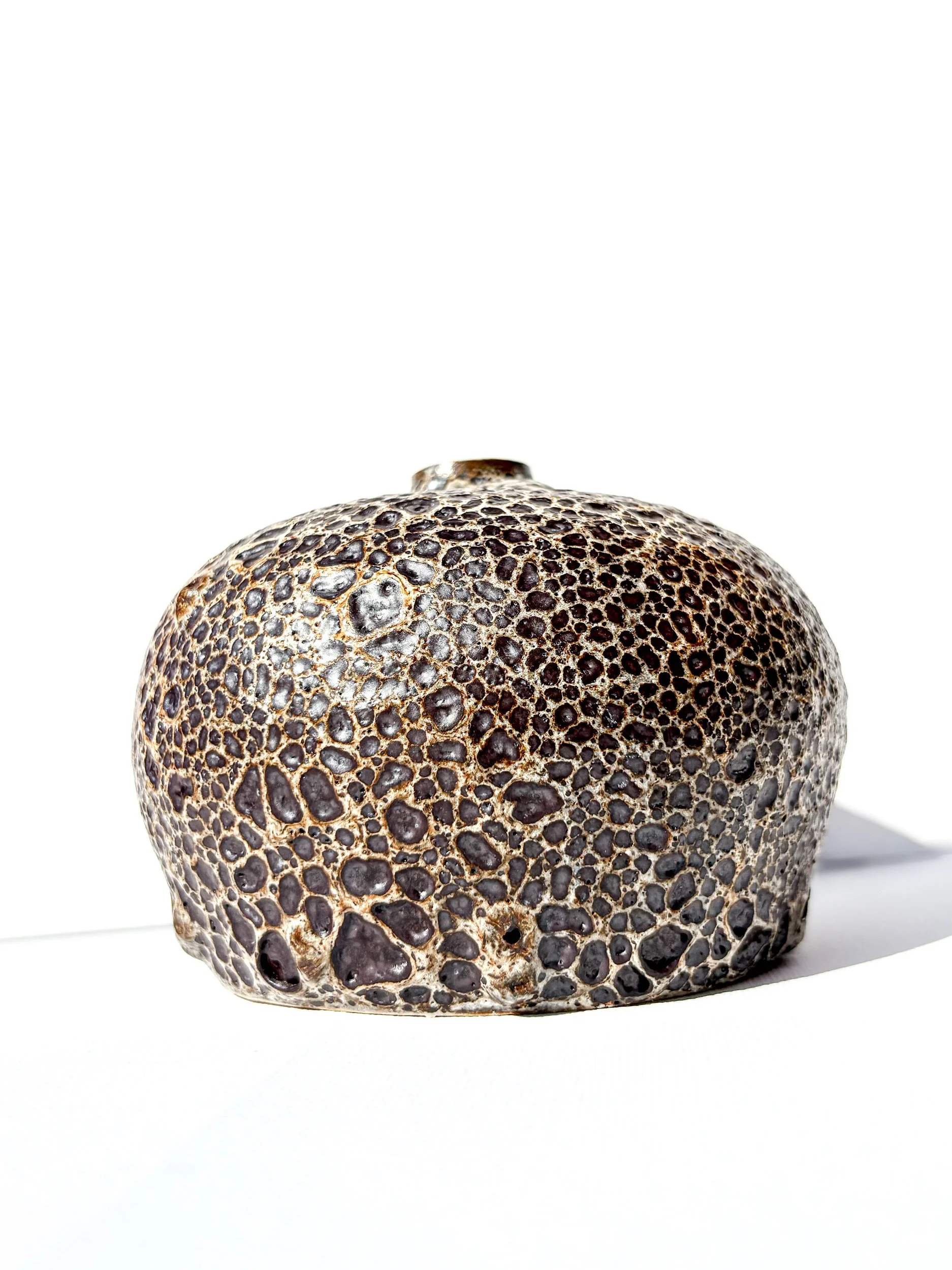
Every ceramic piece you see from me is made using my own glazes that I’ve tested and experimented to build my eclectic collection and I had so much fun doing it that I want to share the experience so you can enjoy it just as much as I did.